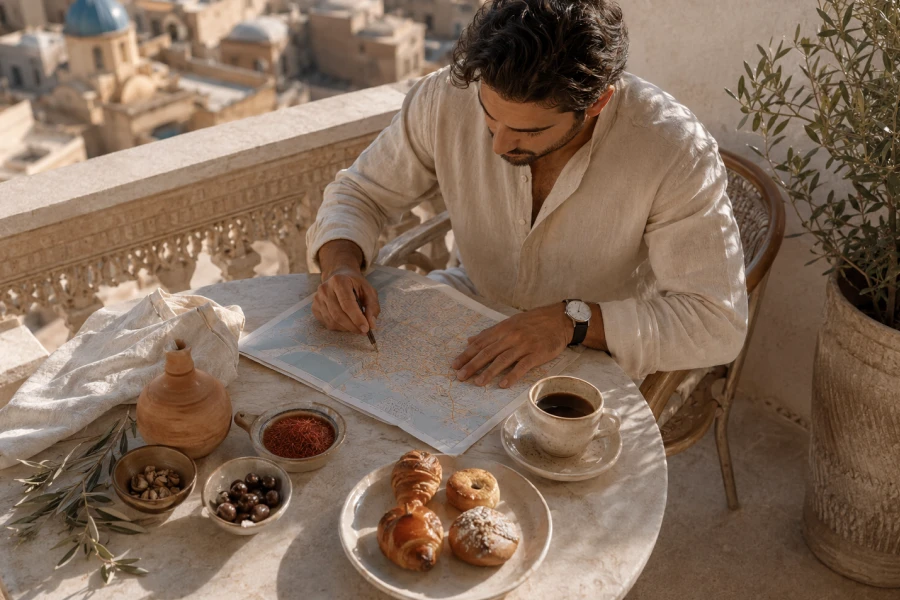
A food-first itinerary becomes better when it treats meals as cultural windows. Food-focused travel planning gives each day a flavorful sense of direction. A breakfast counter, late lunch, or neighborhood bakery can reveal how a city moves. These moments connect transit routes, local customs, and spontaneous conversations. The strongest trips leave room for hunger, timing, and change. They do not turn every meal into a high-pressure reservation. Instead, dining becomes a thread between the places you explore. That mindset changes how you research, spend, and schedule. It also makes simple discoveries feel as valuable as celebrated restaurants. Travel gains warmth when you follow the rhythms around the table.
Thoughtful preparation begins with people rather than trending dishes. Ask what locals eat before work, after school, and during celebrations. Those answers can point toward areas that reward slower exploration. Start with a compact bakery where the morning queue feels lively. Arrive early enough to notice preparation and patient enough to watch the room. A meal feels better when it belongs naturally to the day. This approach reduces pressure to chase every famous specialty. One carefully chosen snack can reveal something lasting. Flavor deepens when the setting has a chance to speak. That is how a food-forward itinerary becomes more than a list.
Useful research starts with routines behind the menu. Read neighborhood notes, local calendars, and menus with steady curiosity. Review regional food traditions and dining etiquette abroad before arranging every meal. Notice which areas support breakfast, snacks, lunch, and late dinners naturally. This creates a realistic outline for your days. Markets are excellent anchors because they show what ingredients matter now. A cooking class can also explain how produce becomes a local dish. Keep a compact list, then make room for personal recommendations. Your appetite may change after a long walk or delayed train. A flexible plan protects the experience from becoming too rigid.
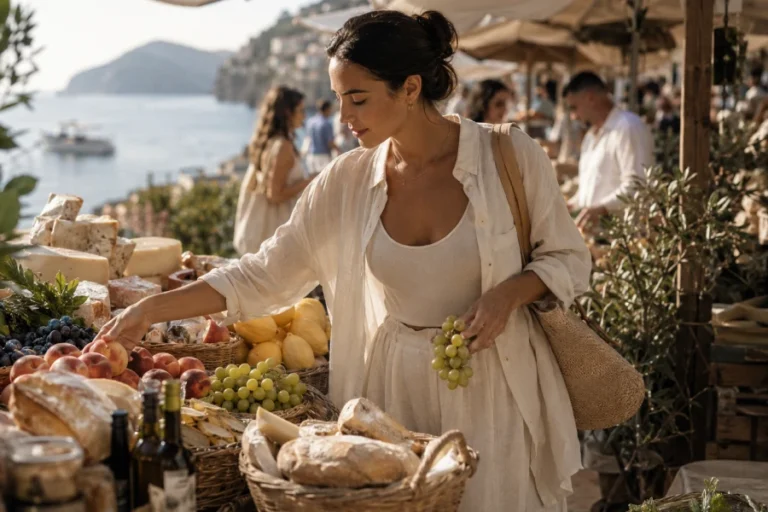
Food-focused travel planning improves when you understand how service unfolds. Watch whether diners order quickly, share food, or stay after coffee. Basic awareness keeps uncertainty from taking over a promising meal. Explore food market adventures to add a local rhythm to your itinerary. Ask simple questions, listen closely, and accept small surprises. Servers usually respond well to real interest and polite clarity. You do not need flawless pronunciation to show respect. A warm greeting and patient pace communicate plenty. The goal is to participate, not to perform expertise. That difference makes the table feel welcoming.
Strong food-focused travel planning balances anticipation with room to wander. Choose one meaningful meal per day, then keep other choices loose. This protects your budget and preserves appetite for spontaneous discoveries. Consider cooking class travel when you want a hands-on connection to local ingredients. A few handwritten notes can capture more than endless photographs. Record texture, scent, setting, and the detail that made you smile. Later, those fragments can recreate the experience vividly. They also reveal the flavors and environments you value most. Your journeys become less about completing a list. They become a way of learning what truly delights you.
Food travel feels richer when you consider the people making every meal possible. Choose businesses that appear woven into local routines. Avoid treating unfamiliar dishes as a novelty challenge. When you can, spend with neighborhood vendors and independent kitchens. Ask before photographing people, stalls, or food preparation. A respectful approach changes the atmosphere right away. It also makes you a better guest in places with established rhythms. Connection matters more than collecting content. A modest lunch can carry more meaning than a flashy dinner. Those quieter encounters often stay with you longest.
The best food-focused travel planning creates memories that extend beyond taste. You remember the dish, but also the street, weather, and soundscape. You remember the person who recommended the stop. Let those details influence the next journey you build. Choose fewer priorities and arrive with attentive senses. A meal does not need drama to become important. It needs context, patience, and a reason to return in memory. This style of travel gives every destination more texture. Begin with the flavors that honestly interest you. The journey may reveal an entire place through a single thoughtful bite.



Leave a comment