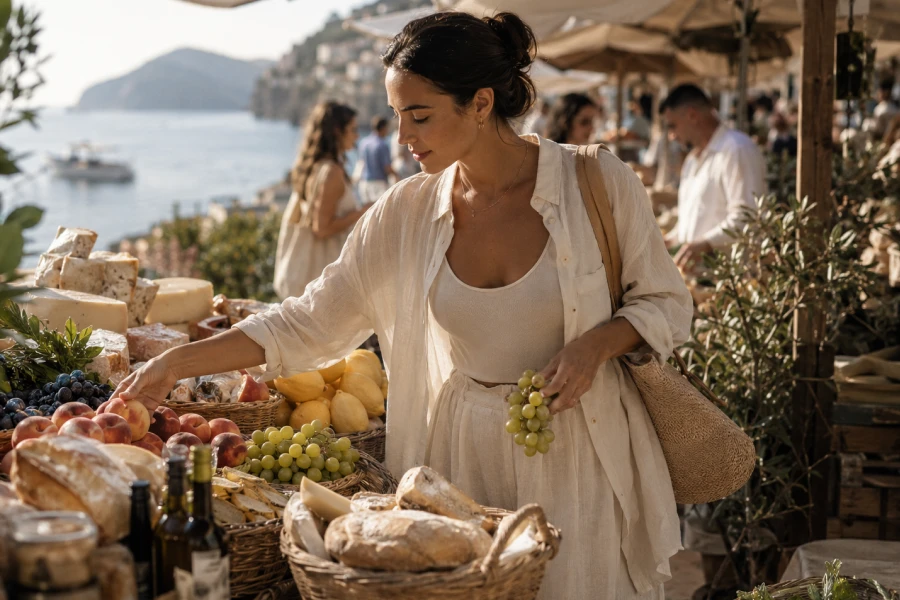
The meals travelers remember rarely begin when a server sets down the plate. Well-planned culinary travel experiences turn food into a way to read a place. A market visit can reveal habits that no landmark explains. So can a morning pastry, a shared table, or unfamiliar regional produce. The best trips leave space for appetite, timing, and curiosity. They do not treat restaurants as trophies between unrelated activities. Instead, food connects neighborhoods, people, and memory. That perspective changes how you choose a destination and shape each day. It also makes room for modest meals that feel unforgettable. Travel becomes more intimate when you pay attention to the table.
A rewarding food-first trip begins with curiosity rather than famous dishes. Ask what residents eat on ordinary mornings and busy workdays. Those answers often point toward neighborhoods that reward patient wandering. Start at a market where vendors greet regulars by name. Arrive early enough to watch preparation and late enough to notice the crowd. A good meal feels better when it belongs naturally to the day. This mindset reduces pressure to order the most dramatic item available. One thoughtful plate can still teach you something lasting. Flavor becomes richer when context has time to develop. That is how a food-centered itinerary gains real depth.
Destination research should begin with the routines behind the cuisine. Read menus, neighborhood notes, and local calendars with an open mind. Use food lover travel ideas and authentic local dining to organize possibilities without overbooking every meal. Notice which districts support breakfast, afternoon snacks, and late dinners naturally. This creates a realistic rhythm before you reserve anything. Public markets are useful anchors because they show seasonal priorities. Cooking classes can reveal how ingredients move from stall to table. Keep a short list, then leave space for personal recommendations. Appetite changes during travel, and plans should allow for that. Flexibility protects you from chasing a meal that no longer fits.
Culinary travel experiences become more rewarding when you understand local service patterns. Observe whether guests share plates, order quickly, or linger after dessert. Simple awareness prevents uncertainty from overshadowing a promising meal. A little preparation around culinary destination planning can make unfamiliar settings feel welcoming. Ask concise questions, listen to answers, and accept small surprises gracefully. Staff members usually respond well to genuine interest and clear manners. You do not need perfect language skills to show consideration. A warm greeting and patient pacing can open more doors than expertise. The point is participation, not a staged travel performance. That difference makes the meal more generous for everyone.
Practical culinary travel experiences balance anticipation with restraint. Choose one anchor meal each day, then leave other choices flexible. This protects both your budget and your appetite for spontaneous finds. Build a small ritual around street food experiences so details do not blur together. A few sensory notes can capture more than dozens of staged images. Record the aroma, texture, weather, and conversation that stayed with you. Later, those fragments recreate the experience more vividly than a rating. They also help identify patterns in what you truly enjoy. Your travels become less about collecting places and more about noticing them. That is a satisfying way to give every meal its own life.
Food travel becomes more respectful when you consider the people doing the work. Visit businesses that appear busy with local customers, not only online attention. Order thoughtfully and avoid treating unfamiliar traditions as a dare. When possible, choose experiences that keep money in neighborhood businesses. Ask before photographing people, counters, or open kitchens. Respectful behavior costs nothing, yet it changes the atmosphere immediately. It also makes you a more welcome guest in places built around routine. The goal is connection, not consumption at maximum speed. A well-chosen meal can carry that intention quietly. Those moments often become the emotional center of a trip.
At their best, culinary travel experiences send you home with a sharper sense of place. You remember the dish, but you also remember the walk there. You remember who suggested it and how the room sounded at dusk. Give those details room to matter when planning the next journey. Choose fewer priorities, arrive with attention, and trust your senses. A meal does not need spectacle to become a landmark. It needs context, patience, and willingness to be present. That approach makes every destination feel more textured and personal. Start with the food you are honestly curious about. The route can lead somewhere more memorable than any reservation calendar.




Leave a comment