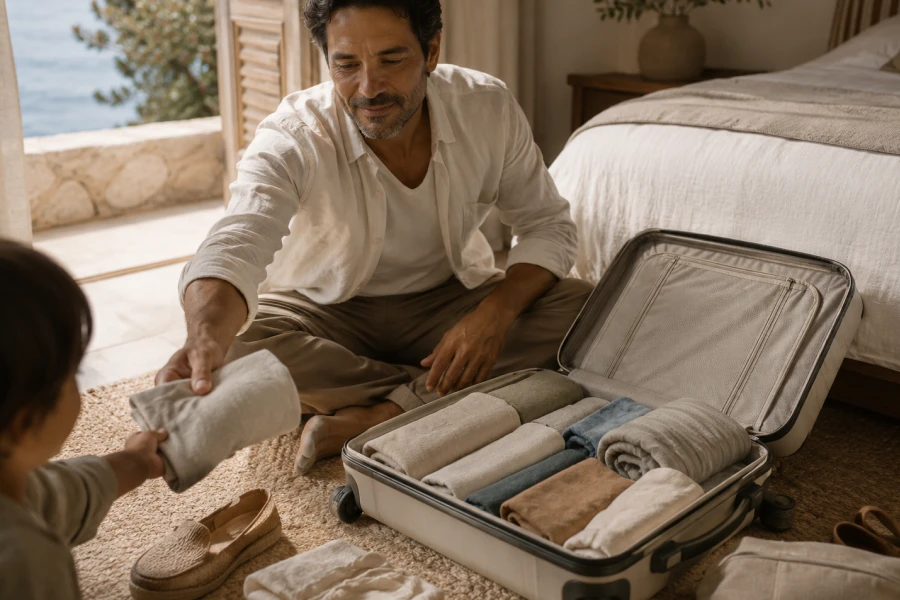
A seven-day trip can feel expansive without requiring a large suitcase. Learning how to pack light for a week begins with choosing a realistic setup. One compact bag can handle transit, sightseeing, dinner, and changing plans. It also encourages every item to have a clear reason for traveling. That limit becomes freeing when you stop preparing for unlikely disasters. You begin selecting clothes, tools, and toiletries around actual days. The result is less carrying, less waiting, and fewer decisions. Freedom comes from a dependable plan, not oversized luggage. A deliberate system keeps the week practical and comfortable. That is how a small bag begins to feel like an advantage.
A weeklong strategy works when you plan the days before packing the bag. Consider weather, activities, laundry access, and any social moments that matter. Then select a compact group of pieces with overlapping uses. Your carry-on setup should support the route without collecting unnecessary weight. Good systems favor versatile materials and familiar choices. They also reflect personal habits rather than copying someone else’s list. A traveler who works remotely should pack for that reality. A traveler who walks all day should protect their feet. Honest planning matters more than achieving a minimalist look. The right amount is whatever keeps the trip moving smoothly.
Start by separating clothing, toiletries, electronics, documents, and comfort pieces. Each group needs a limit before you begin filling the bag. Explore lighter luggage habits to decide which items deserve your available space. This exposes duplicates and makes tradeoffs more logical. An additional shirt may matter less than proven shoes or a charger. Once categories have limits, editing feels much easier. Choose items that coordinate, then remove special-case pieces. Packing becomes a clear sequence rather than an anxious pile. The same approach keeps repacking fast during the week. You will know exactly where every essential belongs.
Knowing how to pack light for a week becomes simpler when outfits share a logic. Choose a limited palette and let layers create variation. One dependable shoe can cover more than you may expect. Use smart packing apps to test combinations before you leave home. Avoid saving every clean piece for a hypothetical special occasion. Wear your strongest versatile items more than once. This keeps the bag light while your clothes still feel considered. It also reduces decision fatigue each morning. A small wardrobe works when every piece feels good to wear. Confidence travels better than a stack of untouched backups.
Good habits make how to pack light for a week easier in crowded airports. Keep documents, medicine, chargers, and one basic layer close by. Place liquids and electronics where checks will not scramble your bag. Review stress-free airport travel ideas before departure so your setup suits the route. A few minutes of preparation can prevent unnecessary counter chaos. The same principle helps during boarding and tight connections. Essentials should be available without emptying the whole bag. That order creates a sense of control on busy days. It also protects the first evening from arrival fatigue. A compact setup supports the trip from the very first line.
Traveling light does not mean refusing every useful comfort. It means selecting compact items with more than one role. A lightweight tote, refillable bottle, or laundry option can earn its place. So can something that improves sleep, focus, or recovery. Ask whether you would miss it often enough to carry it. That question promotes restraint without making the journey feel bare. It also leaves room for a few personal pleasures. Perhaps that is a familiar scarf, small notebook, or snack. Packing light succeeds when it supports the traveler. There is no prize for removing something that genuinely improves the week.
The best benefit of learning how to pack light for a week is freedom around the journey. You move through transit more easily and adjust plans with less stress. You also learn which belongings actually support your routines. That knowledge makes every future departure more efficient. Start with a realistic list and edit until each item has a task. Do a practice pack and carry the bag briefly. Any awkward weight or missing essential will become obvious. Then trust the plan and stop reopening the suitcase. A lighter load makes room for confidence, attention, and serendipity. That is the lasting reward of traveling with less.




Leave a comment